
Diabetic oats portion control plays a vital role in managing blood sugar while still enjoying your favorite breakfast. When you control portions the right way, oats can become one of the healthiest staples in a diabetic diet. The key is knowing how much oats to eat, how to measure your serving, and what ingredients help balance your blood sugar.
With diabetic oats portion control, you can create creamy, delicious overnight oats that support your glucose goals instead of working against them. This guide will show you how to find the perfect portion size, manage carbs effectively, and enjoy oats as part of a balanced diabetic breakfast plan. You’ll also discover practical tips to turn every bowl of oats into a satisfying, heart-healthy meal.
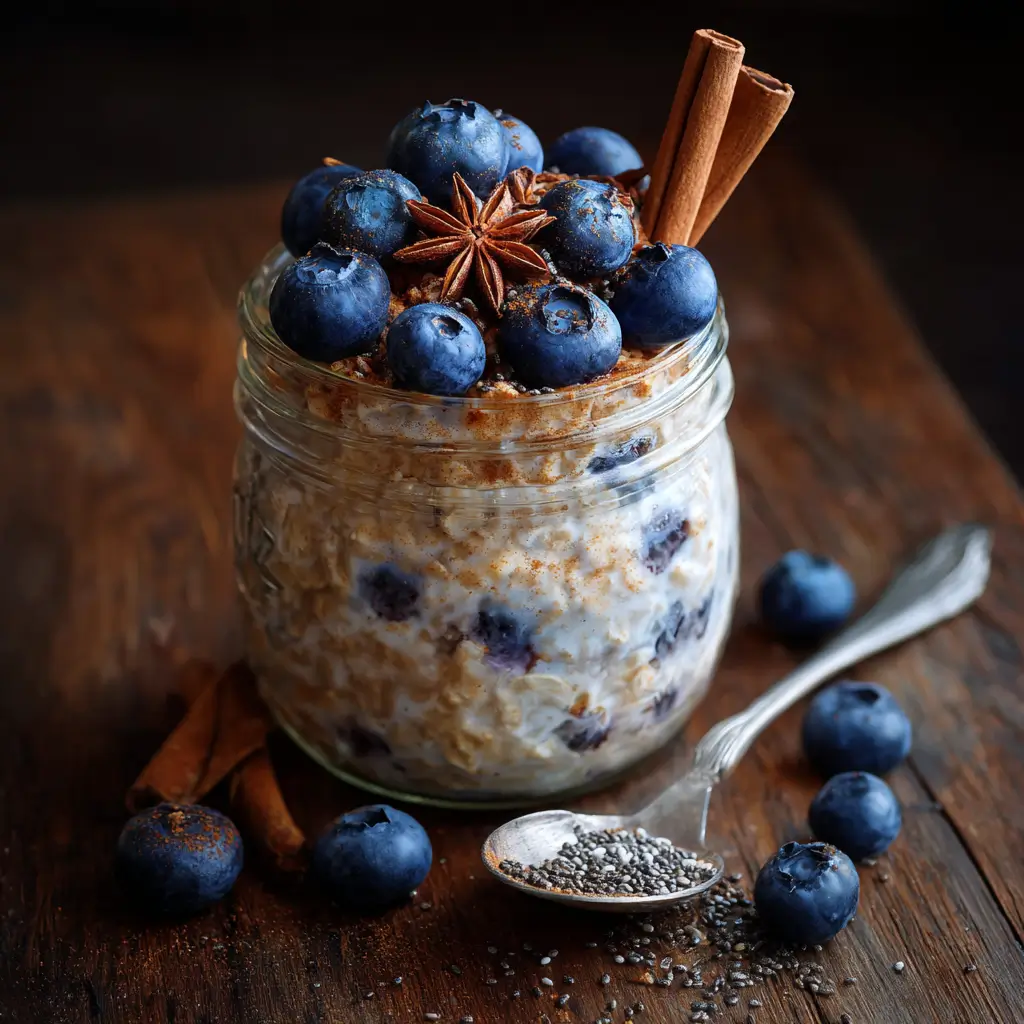
Learn more about creative diabetic-friendly oats options in this high-protein vegan overnight oats recipe.
Table of Contents
Understanding Diabetic Oats Portion Control
What Does Portion Control Mean for Diabetics?
Diabetic oats portion control isn’t about restriction—it’s about balance. Managing your portion sizes helps control how many carbs you eat at once, keeping blood sugar levels within a healthy range. For most people with diabetes, a serving of ½ cup dry oats (around 27 grams of carbs) is ideal.
Combining oats with protein-rich or high-fiber ingredients like Greek yogurt, nuts, or chia seeds helps slow digestion. This not only improves oats carbs management but also makes your breakfast more filling.
Lower-GI oats—such as rolled or steel-cut oats—digest slower and have a gentler effect on blood sugar. Keeping your portions steady and choosing the right oats are two simple steps toward better glucose control.
The Role of Oats in a Diabetic Diet
Oats are a great source of beta-glucan fiber, known for improving heart health and supporting insulin sensitivity. But even healthy oats can raise blood sugar if you over-serve. That’s why sticking to diabetic oats portion control is so important—it allows you to enjoy the benefits without the spikes.
Try pairing oats with Greek yogurt for extra protein and creaminess. It’s an easy way to turn your morning oats into a balanced diabetic meal. Check out Greek yogurt overnight oats for inspiration.
Looking for more ideas? Visit Vision Recipes on Facebook or explore new breakfast options on Pinterest.
The Science Behind Oats and Blood Sugar
Glycemic Index (GI) and Glycemic Load (GL) of Oats
Understanding the science behind diabetic oats portion control starts with knowing how oats affect blood sugar. The glycemic index (GI) measures how quickly a food raises your blood glucose. Oats generally have a low to moderate GI, meaning they’re digested and absorbed more slowly than refined grains.
However, not all oats are created equal. Steel-cut oats have a GI of around 42, rolled oats about 55, and instant oats can climb to 83. The higher the GI, the faster your blood sugar rises. That’s why choosing the right oats is just as important as measuring the right portion.
Glycemic load (GL) takes things a step further by considering both the type and the amount of carbohydrates. For diabetics, a lower GL meal helps keep glucose levels stable after eating. Practicing smart diabetic oats portion control—for example, sticking to ½ cup of rolled oats—keeps your GL within a safe range and prevents morning sugar spikes.
Oats Carbs Management for Diabetics
Oats carbs management goes hand-in-hand with portion control. Even though oats contain carbohydrates, they’re rich in soluble fiber—particularly beta-glucan, which helps slow glucose absorption and improve insulin response.
When paired with protein or fat, the carb content of oats becomes less impactful. Adding Greek yogurt, nut butter, or seeds can make a big difference. This pairing method lowers the meal’s glycemic load and keeps you full longer, a big win for people managing diabetes.
Still, diabetic oats portion control remains crucial. Eating too much—even of low-GI oats—can raise blood sugar unexpectedly. Always measure your oats before preparing overnight oats, and consider pre-portioning several jars for the week. This makes it easier to stay consistent and enjoy your meals without guesswork.
For an example of how to keep balance, check out no-sugar overnight oats, a great choice for stable blood sugar mornings.
Determining the Ideal Serving Size of Oats for Diabetes
Recommended Serving Size Oats Diabetes Experts Suggest
Finding the right serving size is the foundation of diabetic oats portion control. For most adults with diabetes, nutrition experts recommend starting with ½ cup of dry oats per serving. Once cooked or soaked overnight, this equals about 1 cup of prepared oats—a portion that balances nutrients without spiking blood sugar.
This serving typically provides 27 grams of carbohydrates, 5 grams of protein, and 4 grams of fiber, depending on the oat type. Keeping within this range helps you stay in control of your carb intake while still feeling full and energized.
Here’s a quick look at how different oats compare:
| Oat Type | Dry Portion Size | Glycemic Index (GI) | Carbs (per ½ cup dry) |
|---|---|---|---|
| Steel-cut oats | ½ cup | 42 | 28g |
| Rolled oats | ½ cup | 55 | 27g |
| Instant oats | ½ cup | 83 | 29g |
If you enjoy making overnight oats ahead of time, stick to this portion even when adding toppings or mix-ins. It’s easy to overdo it when ingredients like honey, nut butter, or fruit enter the mix. Practicing mindful measuring keeps diabetic oats portion control consistent—and that’s what helps you maintain stable glucose levels day after day.
How to Measure Oats Portions at Home
You don’t need fancy kitchen gadgets to master diabetic oats portion control. A few simple techniques can help you get accurate portions every time:
- Use a standard measuring cup: Measure ½ cup dry oats directly before cooking or soaking.
- Weigh your oats: ½ cup equals roughly 40–45 grams of dry oats.
- Visual cues: A half-cup of dry oats fits perfectly into a small mason jar before adding milk or yogurt.
- Pre-portion jars: Divide your oats into several containers for the week to make breakfast prep quick and consistent.
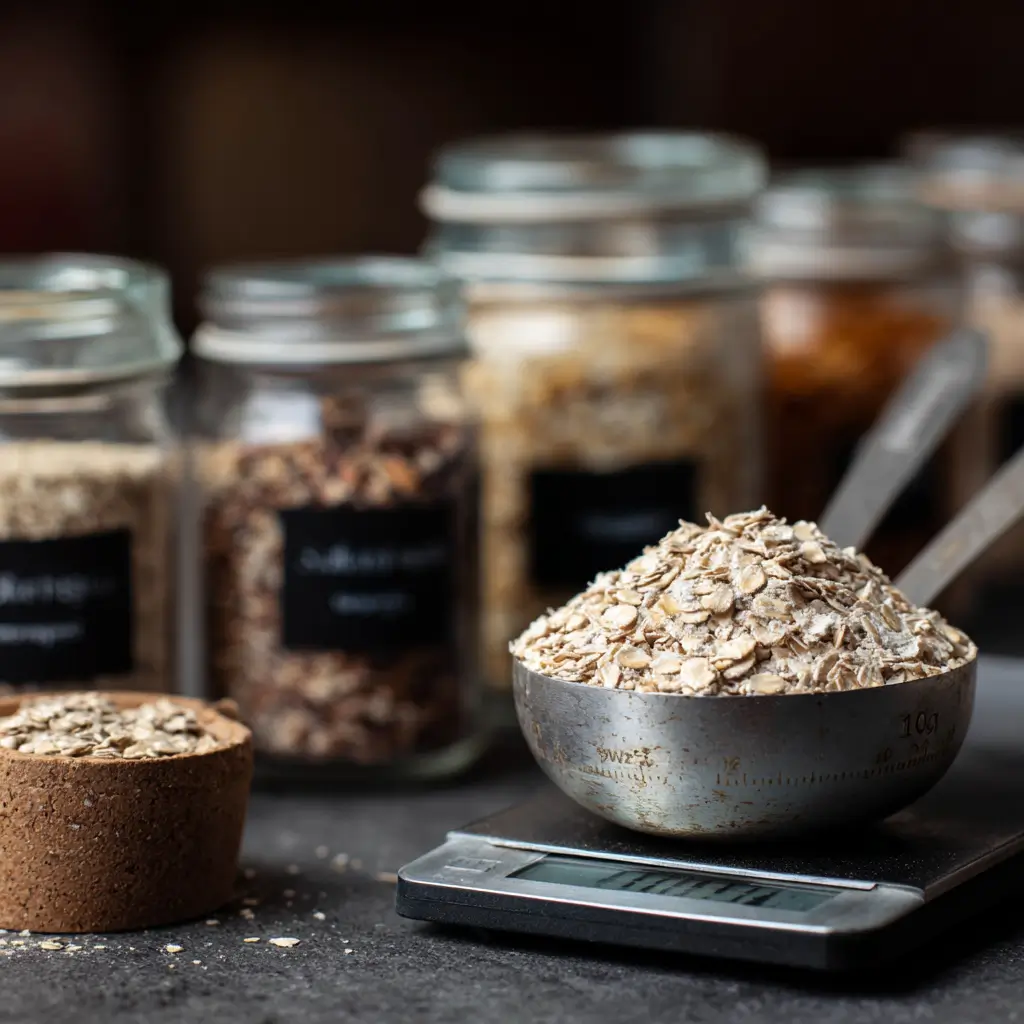
If you’re managing diabetes and want to experiment with portion sizes while keeping recipes fun, check out banana-berry overnight oats — a great example of flavor and control combined.
Building the Perfect Diabetic Overnight Oats Recipe
Healthy Ingredient Ratios for Overnight Oats
The secret to great diabetic oats portion control isn’t just how much you eat—it’s how you balance your ingredients. A smart overnight oats recipe should include oats, liquid, protein, and healthy fats to keep blood sugar stable and hunger away.
Here’s a quick ratio for one balanced serving:
| Ingredient | Amount | Purpose |
|---|---|---|
| Rolled oats | ½ cup (dry) | Provides slow-digesting carbs |
| Unsweetened milk or almond milk | ¾–1 cup | Keeps it creamy, adds calcium |
| Protein (Greek yogurt, cottage cheese) | ¼ cup | Slows digestion and balances carbs |
| Healthy fat (nut butter, chia, flax) | 1–2 tsp | Improves satiety and glucose control |
| Fruit (berries or apple) | Small handful | Adds natural sweetness and fiber |
Low-Glycemic Add-ins and Toppings
Small changes in toppings can make a big difference in your oats’ blood sugar impact. Choose low-glycemic options and avoid added sugars.
| Skip This | Use This Instead |
|---|---|
| Honey or maple syrup | Stevia or monk fruit |
| Dried fruit | Fresh berries |
| Flavored yogurt | Plain Greek yogurt |
| Granola | Nuts or seeds |
Spices like cinnamon and nutmeg naturally sweeten oats without sugar.
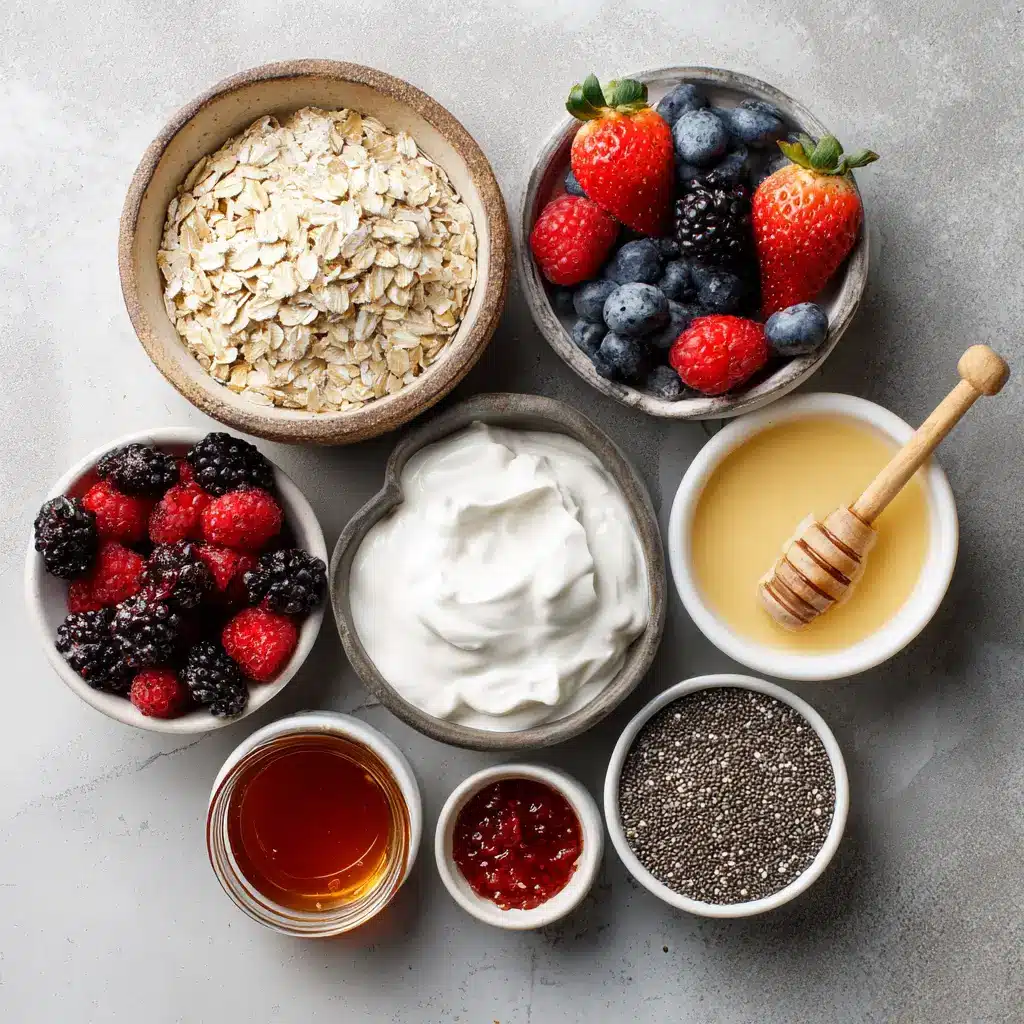
This ratio supports diabetic oats portion control by keeping nutrients balanced and carbs in check. For a full nutrient guide, discover overnight oats nutrition.
How to Make a Portion of Overnight Oats for Diabetes
Step-by-Step Portioning Guide
Learning diabetic oats portion control is the easiest way to enjoy overnight oats without spiking blood sugar. By measuring correctly and balancing ingredients, you can turn this breakfast favorite into a steady source of energy instead of a glucose trigger.
Here’s how to make one perfect serving:
- Measure your oats: Use ½ cup dry rolled oats—the ideal portion for diabetics.
- Add liquid: Pour in ¾ cup unsweetened milk or almond milk for creaminess.
- Add protein: Mix in ¼ cup Greek yogurt or a spoon of chia seeds.
- Flavor naturally: Use cinnamon, vanilla, or unsweetened cocoa.
- Top wisely: Add a few berries or apple slices for fiber and sweetness.
- Chill overnight: Let it soak for 6–8 hours for a perfect texture.
Customizing Portions Based on Calorie and Carb Needs
Everyone’s needs are different, but diabetic oats portion control helps you personalize safely.
| Goal | Smart Adjustment |
|---|---|
| Lower carbs | ⅓ cup oats + extra chia seeds |
| Higher protein | More Greek yogurt or protein powder |
| Fewer calories | Use unsweetened almond milk |
| More fiber | Add flaxseed or hemp hearts |
This simple recipe keeps diabetic oats portion control consistent and your mornings stress-free. For a delicious, balanced twist, try healthy chocolate overnight oats.
Tips for Eating Oats Without Spiking Blood Sugar
How to Pair Oats with Protein and Fat
The smartest way to enjoy oats while maintaining healthy blood sugar levels is to pair them properly. Combining diabetic oats portion control with protein and healthy fats slows digestion, reduces glucose spikes, and keeps you full longer.
Here’s how to do it right:
- Add protein: Stir in Greek yogurt, cottage cheese, or a spoon of protein powder.
- Include healthy fats: Mix in almond butter, chia seeds, or flaxseed for better satiety.
- Use balanced toppings: Choose berries instead of bananas or dried fruit to limit sugar.
- Flavor smart: Add cinnamon or vanilla for sweetness without added sugar.
Each of these small adjustments enhances diabetic oats portion control, helping you manage carbs more effectively and prevent post-meal energy crashes.
Best Time to Eat Oats for Diabetics
Meal timing also plays a big role in how your body handles carbs. Eating oats early in the day—especially for breakfast—gives you more time to use that energy. Practicing diabetic oats portion control in the morning helps your metabolism work efficiently and keeps glucose steady.
A few extra tips:
- Pair oats with a morning walk or light activity for better insulin sensitivity.
- Avoid eating large oat portions late at night when your body’s glucose use slows.
- Stay hydrated—fiber from oats absorbs water, helping digestion and blood sugar balance.

Diabetic Oats Portion Control – Smart Serving Tips for Healthy Blood Sugar
- Total Time: 6–8 hours (chill)
- Yield: 1 serving 1x
- Diet: Diabetic
Description
A healthy, portion-perfect overnight oats recipe designed for diabetic-friendly energy and nutrition.
Ingredients
- ½ cup rolled oats
- ¾ cup unsweetened almond milk
- ¼ cup plain Greek yogurt
- 1 tbsp chia seeds
- Small handful of blueberries
- Cinnamon or vanilla for flavor
Instructions
- Mix oats, milk, yogurt, and chia in a jar.
- Add berries and cinnamon.
- Cover and refrigerate overnight.
- Stir and enjoy cold in the morning.
Notes
Keeps 3–4 days refrigerated. Ideal for diabetic oats portion control and steady energy.
- Prep Time: 5 minutes
- Cook Time: 0 minutes
- Category: Breakfast
- Method: No-Cook
- Cuisine: American
Nutrition
- Serving Size: 1 jar
- Calories: 280 kcal
- Sugar: –
- Sodium: –
- Fat: –
- Saturated Fat: –
- Unsaturated Fat: –
- Trans Fat: 0g
- Carbohydrates: –
- Fiber: –
- Protein: –
- Cholesterol: –
Looking for a simple, nutrient-dense option? Try high-protein overnight oats—a perfect example of how to balance protein and carbs in one satisfying jar.
Diabetic Breakfast Guide – Healthy Morning Habits
Smart Breakfast Planning for Type 2 Diabetes
Building a healthy morning routine starts with smart choices—and diabetic oats portion control should be at the top of that list. Breakfast sets the tone for your entire day, so focusing on balance, fiber, and protein helps prevent mid-morning sugar crashes.
A balanced diabetic breakfast should include:
- Controlled carbs: Stick with ½ cup oats, whole-grain bread, or low-GI fruit.
- Protein: Add eggs, Greek yogurt, or cottage cheese to improve satiety.
- Healthy fats: Include nuts, seeds, or avocado to stabilize blood sugar.
- Hydration: Start your day with a full glass of water to help digestion.
Planning ahead helps you avoid sugary cereals or oversized oatmeal bowls that can derail glucose control. When you practice diabetic oats portion control consistently, you’ll notice better energy and smoother blood sugar readings throughout the day.
Oats Alternatives for Variety in a Diabetic Diet
Even though oats are excellent for fiber and heart health, variety keeps your diet interesting and sustainable. Incorporating other low-glycemic breakfast choices helps you stay committed to good nutrition without feeling restricted.
Here are a few diabetic-friendly alternatives to rotate with your oats:
- Quinoa porridge: High in protein and gluten-free.
- Chia pudding: Low in carbs, rich in fiber, and easy to prep overnight.
- Greek yogurt parfaits: Add berries, nuts, and a sprinkle of oats for texture.
- Scrambled eggs with veggies: Great low-carb choice for active mornings.
Alternating between these meals and your regular oats helps prevent carb fatigue while still supporting diabetic oats portion control.
For creative breakfast options that maintain healthy carb balance, explore heart-healthy overnight oats. It’s a great example of how flavor and nutrition can work together for diabetes management.
Common Mistakes in Diabetic Oats Portion Control
Overestimating Serving Sizes
One of the biggest pitfalls in diabetic oats portion control is underestimating how easy it is to over-serve. Oats expand when soaked, which can make it look like a small amount at first—but that half cup can double or triple in volume overnight. Adding extra scoops “just to fill the jar” can quickly raise your carb count beyond what’s ideal for diabetes management.
To avoid this, always measure oats dry before mixing in liquids. Stick to the recommended ½ cup dry oats for each serving. Pre-portioning your oats for the week helps you stay consistent and avoid guesswork.
Using High-Sugar Ingredients
Even a perfectly measured bowl can go wrong when sweeteners take over. Many people unknowingly cancel out the benefits of diabetic oats portion control by adding sugary ingredients like flavored yogurt, honey, or dried fruit. These ingredients spike blood sugar quickly, even in small amounts.
For true balance, choose natural, low-GI sweeteners such as stevia, monk fruit, or a few slices of fresh fruit. Swap sugary toppings for nutrient-rich alternatives like chia seeds, walnuts, or cinnamon for sweetness without the glucose spike.
If you love a flavorful oats bowl but want to keep it low in sugar, don’t miss low-sugar overnight oats for weight loss. It’s a delicious option that keeps taste high and carbs under control.
FAQs – Diabetic Overnight Oats Portion Control
Can diabetics eat overnight oats every day?
Yes, diabetics can enjoy overnight oats daily—if portion sizes and ingredients are managed carefully. Practicing diabetic oats portion control keeps carb intake consistent and prevents blood sugar spikes. Use ½ cup dry oats per serving and pair them with protein-rich ingredients like Greek yogurt or nut butter. Rotating add-ins such as chia seeds, cinnamon, and berries helps maintain variety and balanced nutrition.
How to make oatmeal more diabetic friendly?
To make oatmeal more diabetic friendly, combine portion control with low-glycemic ingredients. Choose steel-cut or rolled oats instead of instant, add protein and healthy fats, and skip sugary toppings. Cinnamon, nutmeg, and unsweetened cocoa are excellent natural flavor boosters.
How to eat oatmeal without spiking blood sugar?
The secret to eating oatmeal without blood sugar spikes lies in both timing and pairing. Practice diabetic oats portion control by sticking to ½ cup of dry oats and balancing it with protein and fat. Eat oats earlier in the day, when your body’s insulin response is stronger, and avoid sweetened or instant versions. Adding chia seeds, flax, or Greek yogurt helps slow digestion and reduce glucose spikes.
How to make a portion of overnight oats?
Making a single portion is simple. Measure ½ cup dry oats, add ¾ cup unsweetened milk, and mix in ¼ cup Greek yogurt or 1 tablespoon chia seeds. Add fruit sparingly—like a handful of berries—and let it soak overnight. This ratio keeps diabetic oats portion control consistent while providing fiber, protein, and natural flavor. It’s an easy way to enjoy oats safely as part of a diabetic diet.
For balanced ideas, check out overnight oats for diabetics—a complete guide for keeping breakfast delicious and glucose-friendly.
Conclusion: Balanced Oats Portions for a Healthier Diabetic Lifestyle
Practicing diabetic oats portion control is one of the easiest and most powerful ways to keep your blood sugar stable while still enjoying a satisfying breakfast. By measuring oats before soaking, choosing low-glycemic ingredients, and balancing carbs with protein and healthy fats, you can turn overnight oats into a safe, nourishing part of your diabetic diet.
The key is consistency—½ cup dry oats per serving, combined with mindful toppings and low-sugar add-ins. With time, these small habits make managing diabetes simpler, tastier, and more enjoyable.
Don’t miss our overnight oats 101 guide for even more creative and nutritious ideas.
And if you’re looking for new ways to experiment with oats, follow Vision Recipes on Facebook or explore our latest creations on Pinterest.